




















Older
How to Choose the Right Carbon Fiber Frame for Road, Gravel and MTB Bikes
Behind every successful bicycle brand is a manufacturing partner capable of turning ideas into reliable, high-performance products. While riders often focus on frame weight, aerodynamics, or appearance, brands understand that the real challenge begins long before a bike reaches the road. Developing a carbon fiber frame requires careful engineering, precise manufacturing, rigorous testing, and a supplier that can consistently deliver the same quality from the first prototype to full-scale production.
As more brands enter the performance cycling market, choosing the right OEM manufacturer has become a strategic decision rather than a simple purchasing exercise. A dependable supplier not only produces frames but also contributes technical expertise, manufacturing efficiency, and long-term support that help brands stay competitive. This guide explores the key factors every OEM buyer should consider when sourcing carbon fiber frames and explains what separates a reliable manufacturing partner from an ordinary supplier.
One of the most common mistakes in OEM sourcing is asking for quotations before the project requirements have been fully developed. While obtaining pricing is important, meaningful comparisons can only be made when suppliers are working from the same set of specifications.
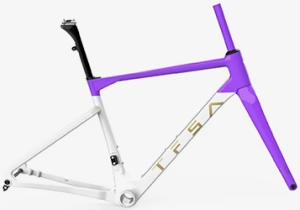
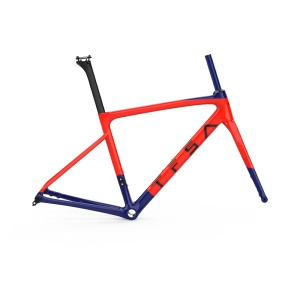
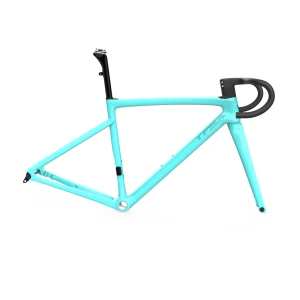
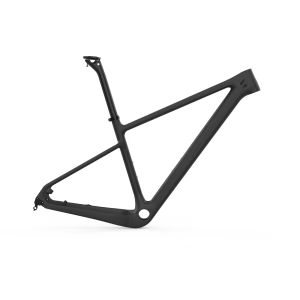
Start by identifying the type of bicycle you plan to build. Carbon fiber frames for road bikes, gravel bikes, mountain bikes, triathlon bikes, and electric bicycles all require different structural characteristics. Geometry, tire clearance, stiffness, comfort, and component compatibility should be determined according to your target riders rather than copied from existing products.
It is equally important to define your expected production volume, preferred component standards, branding requirements, and future product roadmap. Manufacturers are able to provide more practical recommendations when they understand not only the product itself but also the direction of your brand.

Carbon fiber is an exceptional material, but its performance depends entirely on how it is engineered. Two frames made from similar carbon materials can feel completely different on the road because of differences in tube design, layup schedules, and structural reinforcement.
Experienced manufacturers invest heavily in engineering because every design decision influences the final riding experience. Frame geometry affects handling, carbon fiber orientation determines stiffness, and reinforcement placement impacts durability without unnecessarily increasing weight.
Rather than simply following customer drawings, strong OEM partners often participate in product development. They evaluate structural performance, optimize manufacturing methods, and identify opportunities to improve both production efficiency and ride quality before molds are even produced.
This collaborative approach not only reduces development risks but also shortens the path from concept to market.
Many buyers naturally ask whether a frame uses Toray T700, T800, or T1000 carbon fiber. While material selection is important, premium carbon fiber alone does not guarantee a premium frame.
The manufacturing process has an even greater influence on overall quality. Accurate cutting, consistent hand layup, controlled resin content, precision molding, and stable curing conditions all contribute to the frame’s strength, fatigue resistance, and long-term reliability. Small variations during production can affect performance far more than the difference between two grades of carbon fiber.
For this reason, buyers should evaluate how a manufacturer controls every stage of production rather than focusing solely on material specifications.
For bicycle brands launching new products, working with an experienced manufacturer often provides advantages that go beyond production capacity.
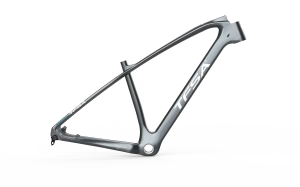
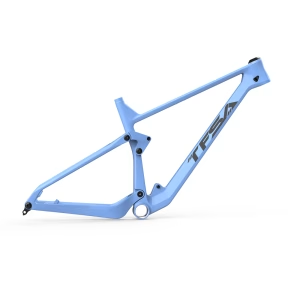
TFSA Bike has spent more than 16 years specializing in carbon fiber bicycle manufacturing, supporting customers with both OEM and ODM solutions across a wide range of performance bicycles. The company’s portfolio includes carbon road frames, gravel frames, mountain bike frames, time trial frames, and other high-performance platforms developed for brands serving different markets around the world.
Instead of separating design from manufacturing, TFSA integrates engineering, mold development, carbon layup, painting, quality inspection, and production management into a unified workflow. This integrated approach allows potential issues to be identified early, improves production consistency, and helps customers move from prototype development to mass production more efficiently.
For bicycle brands, having one experienced partner oversee the complete manufacturing process often reduces communication challenges and simplifies project management.
Today’s bicycle market is increasingly competitive, making product differentiation more valuable than ever. Simply applying a new logo to an existing frame rarely creates a lasting competitive advantage.
A capable OEM manufacturer should offer meaningful customization options that align with your brand positioning. These may include proprietary frame geometry, integrated cable routing, customized carbon layup, aerodynamic tube shaping, unique paint finishes, exclusive graphics, or packaging designed specifically for your distribution channels.
The goal is not customization for its own sake, but creating products that reflect your brand’s philosophy while meeting the expectations of your target customers.
As your product range expands, a manufacturer with strong development capabilities can continue supporting future projects instead of limiting your options to existing catalog products.
Reliable quality is built into the manufacturing process rather than inspected only after completion.
Professional carbon fiber manufacturers establish inspection procedures at every stage, beginning with incoming material verification and continuing through carbon cutting, layup, molding, curing, machining, painting, and final assembly. Comprehensive testing—including fatigue, impact, stiffness, and dimensional inspections—helps ensure every production batch meets consistent standards before shipment.
This systematic approach becomes particularly important for international bicycle brands, where product reliability directly affects warranty costs, customer satisfaction, and long-term brand reputation.
Technical capability alone is not enough to guarantee a successful OEM partnership. Clear communication throughout development is equally important.
Frame development often involves multiple prototype revisions, geometry adjustments, and component compatibility checks before production begins. Manufacturers that respond quickly, provide engineering feedback, and communicate transparently throughout the project help prevent unnecessary delays and costly misunderstandings.
For overseas customers, efficient communication can significantly improve development timelines and create a smoother collaboration between engineering, purchasing, and production teams.

The lowest purchase price does not always produce the lowest overall cost. Delayed shipments, inconsistent quality, limited technical support, and frequent production issues often become far more expensive than a slightly higher unit price.
Successful bicycle brands tend to evaluate suppliers from a broader perspective. Engineering expertise, manufacturing consistency, quality management, delivery performance, customization capability, and responsiveness all contribute to the long-term value of an OEM partnership.
When manufacturers understand your products, your quality expectations, and your future plans, they become more than suppliers—they become partners invested in your success.
Building an exceptional bicycle begins with building the right manufacturing partnership. Whether you are introducing a new performance road bike, expanding your gravel lineup, or developing a completely new carbon platform, choosing an experienced OEM manufacturer can make every stage of the project more efficient and predictable.
With over 16 years of experience in carbon fiber bicycle manufacturing, TFSA Bike works with bicycle brands worldwide to deliver OEM and ODM carbon frame solutions backed by professional engineering, advanced manufacturing, and comprehensive quality control. From initial design consultation and mold development to production, finishing, and final inspection, every project is managed with the goal of producing frames that meet demanding performance and reliability standards.
As the global cycling industry continues to evolve, brands need manufacturing partners capable of supporting innovation as well as consistent production. By combining technical expertise with flexible customization and dependable manufacturing, TFSA helps customers transform ideas into carbon fiber bicycles that perform with confidence on every ride.


