A custom balance bike frame needs to meet both product requirements and brand expectations. The challenge is turning a general product concept into a frame specification that can be developed, tested, produced, and repeated consistently.
For brands planning a new balance bike model, several factors should be defined before production begins. These include the target rider, frame geometry, material, weight, customization requirements, manufacturing quality, and prototype approval.
Target Rider Requirements
Target Rider Profile
The first consideration is who will use the balance bike. The target age range, rider height, riding stage, and expected usage period influence frame proportions and component dimensions.
Seat height should provide enough adjustment for the intended rider range, while standover clearance should allow children to mount and dismount comfortably. The expected rider weight should also be defined before structural requirements are finalized.
A clear rider profile gives the development process a practical starting point and helps the supplier understand the intended frame requirements.
Product Range
Some brands plan a balance bike as the first product in a wider children’s cycling range. In this case, the frame should be considered as part of a broader product strategy rather than as an isolated model.
Suppliers with dedicated children’s frame products can make it easier to evaluate different development directions.
TFSA’s
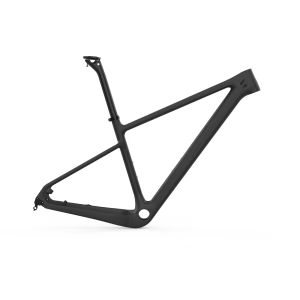
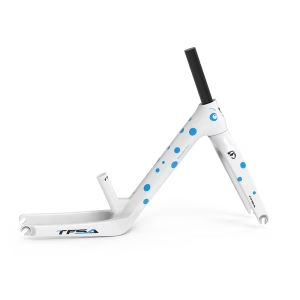
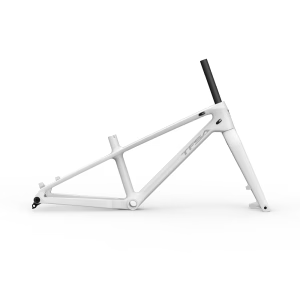
kids balance bike frames category includes the JH-29 balance bike frame alongside a youth MTB frame, providing a reference for different stages of children’s cycling.
Frame Geometry
Steering Behavior
Frame geometry directly affects how a young rider controls the bike. Head tube position, wheelbase, steering range, seat height, and standover clearance should be considered together rather than selected independently.
A balance bike needs predictable steering and sufficient stability for riders who are still developing balance and coordination. Geometry should therefore be developed around the intended rider instead of simply adapting dimensions from a larger bicycle.
Wheel Size
Wheel size should be defined at the beginning of frame development because it affects wheel clearance, frame proportions, wheelbase, and overall handling.
A custom frame should be designed around the selected wheel size rather than adapting the frame after tooling has been completed.
The JH-29 carbon balance bike frame, for example, is designed for wheelsets up to 12 inches and is specified for children under 5 years old. The
kids carbon balance bike frame specifications can therefore serve as a useful reference when defining a target product.
Material Selection
Carbon Fiber Selection
Material selection should reflect the product positioning, target weight, structural requirements, and production objectives.
Carbon fiber can support lightweight frame development and integrated frame shapes. For a custom carbon balance bike frame, brands should confirm the selected carbon specification, target weight, structural requirements, and intended production method before finalizing the design.
Material Requirements
Material requirements should be established before detailed production development begins. The supplier should be able to confirm the material specification and explain how it will be processed during frame production.
For carbon frames, relevant production stages can include material preparation, carbon fiber lay-up, molding, bonding, surface treatment, painting, and testing. These stages can affect the consistency of the finished frame and should therefore be included in the production specification.
Weight Requirements
Frame Weight
Weight is an important consideration for a children’s balance bike because a lighter frame can be easier for a young rider to handle.
However, the target should be based on the complete frame specification rather than an isolated weight number. Wheel size, frame geometry, material, structural requirements, and production process should all be considered when setting the target.
The JH-29 is specified with a 660g ± 20g frame weight and T800 carbon fiber. This provides a concrete reference for brands evaluating lightweight carbon balance bike frame development.
Structural Consistency
Weight reduction should not be considered separately from structural requirements. Carbon lay-up, material distribution, molding, and bonding can all affect the finished frame.
Brands should therefore confirm the relevant material specifications, production requirements, and available test documentation before approving a production sample. The objective is to establish a repeatable specification rather than simply pursue the lowest possible frame weight.
Customization Requirements
Private Label
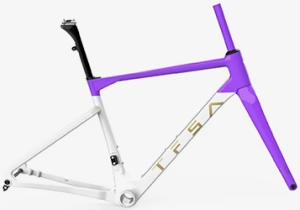
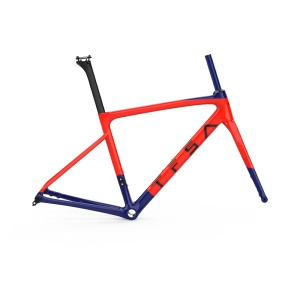
A custom balance bike frame may require more than a standard frame with a logo added afterward. Brands can define private label requirements, logo placement, color, painting, and other visual details as part of the project specification.
These details should be confirmed before production so the approved appearance can be reproduced consistently across samples and later batches.
Color Matching
Color matching should be treated as part of the product specification rather than as a final visual adjustment. Brands should define the required color, finish, logo treatment, and other visible details before sample approval.
TFSA identifies private label, custom painting, logo design, color matching, and model-based project development among its customization capabilities.
Manufacturing Quality
Carbon Fiber Processing
Manufacturing consistency is particularly important for a custom frame because the approved design needs to be reproduced across production batches.
The manufacturing process can include carbon material preparation, lay-up, molding, bonding, surface treatment, painting, inspection, and testing. Brands should confirm how these stages are controlled and how the approved specifications are maintained during production.
Final Inspection
Quality control should cover more than the finished appearance. Frame dimensions, weight, alignment, surface quality, component interfaces, and other agreed specifications should be checked against the approved requirements.
TFSA states that its integrated production covers carbon fiber processing, frame molding, painting, assembly inspection, and final packing. Its
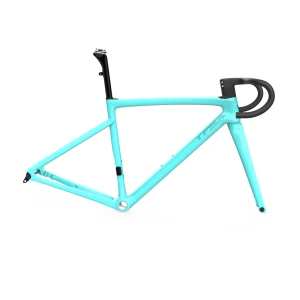
carbon bicycle frames capability also covers molding, painting, quality control, and shipment support, making this relevant when brands evaluate a supplier for a custom frame project.
Prototype Approval
Prototype Review
The prototype should be checked against the original project requirements before mass production begins.
Brands should review frame dimensions, wheel compatibility, frame weight, surface finish, logo placement, component fit, and overall appearance. Practical riding evaluation can also help identify geometry or handling issues that are difficult to identify from drawings alone.
Approved Specification
The final production reference should identify the approved frame model, material, dimensions, weight target, finish, logo treatment, component configuration, and packaging requirements.
Keeping a confirmed sample or specification reference gives both the brand and supplier a consistent basis for future production. This becomes especially important when the same frame is expected to remain in production across multiple orders.
FAQ
What factors affect the price of a custom balance bike frame?
Material, frame weight target, tooling requirements, order quantity, painting, logo customization, and production requirements can all affect the final price. A clear specification makes it easier for a supplier to provide an accurate quotation.
Should brands choose carbon fiber for every balance bike frame?
No. Material should be selected according to the intended product positioning, weight target, structural requirements, and budget. Carbon fiber is particularly relevant when lightweight construction and carbon frame development are priorities.
What should brands confirm before ordering a custom balance bike frame?
Brands should confirm the target rider, wheel size, frame geometry, material, weight target, logo and painting requirements, component compatibility, packaging, sample requirements, and production specifications.
Conclusion
Custom balance bike frame development should align the target rider, geometry, material, weight, customization, manufacturing, and prototype requirements before production.
For brands developing a carbon balance bike frame, a clear specification and approved sample can provide a consistent reference for future production. To discuss frame requirements or request a quotation,
contact TFSA with your target specifications.