




















Newer
How to Choose a Carbon Gravel Bike Frame for Your Brand
Developing a custom carbon fiber road bike frame requires clear product requirements, sound engineering decisions, and a capable manufacturing partner. Geometry, material selection, component compatibility, and testing all influence the final product.
A structured development process helps you evaluate these factors early, reduce unnecessary revisions, and prepare the frame for consistent production.
Start by identifying your target riders and intended use. Race oriented frames typically prioritize aerodynamic positioning and responsive handling, while endurance models emphasize stability and comfort over long distances.
Define the size range, stack, reach, head tube angle, seat tube angle, chainstay length, and wheelbase. Tire clearance and fork geometry also affect handling and component compatibility.
Review each frame size individually to ensure consistent fit and handling across the range.
List the required bottom bracket, headset, seatpost, rear axle, brake mounts, drivetrain, and cable routing specifications. Check these interfaces against the components intended for the final build.
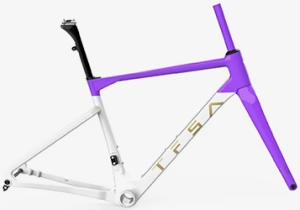
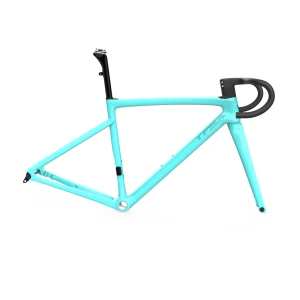
The carbon road disc frame JH19 provides a useful reference. It features T800 carbon fiber, full internal cable routing, disc brakes, and a BSA/BB68 threaded bottom bracket. A custom design may require different configurations depending on your product requirements.

Document the geometry, size range, materials, component standards, target weight, finish, branding, intended riding conditions, and testing requirements. Separate essential specifications from optional features to help the manufacturer assess feasibility, costs, and potential design conflicts before tooling begins.
T800 and T1000 carbon fiber may be considered for performance oriented frames, depending on the design and available materials. However, fiber grade alone does not determine the performance of the finished frame.
Resin systems, fiber orientation, laminate design, tube geometry, and manufacturing consistency also affect structural behavior. Discuss these factors with the engineering team instead of choosing a material based on its grade designation alone.
The layup schedule defines the number, orientation, and placement of composite layers. Different frame areas experience different loads, so reinforcement should reflect their structural requirements.
For example, the bottom bracket area must withstand pedaling forces, while the head tube and surrounding structure respond to steering and braking loads. The engineering team should balance stiffness, strength, and weight across these areas.
Document the approved layup schedule and evaluate any proposed changes before production.
Weight reduction should not compromise structural reliability. Establish a target that accounts for the intended riding conditions, durability requirements, and overall frame design.
Specify whether the target applies to an unpainted or finished frame. This ensures consistent comparisons between prototypes, quotations, and production samples.
Before tooling begins, review composite placement, tube transitions, internal routing, bonding interfaces, and mold access with the manufacturer. This helps identify design features that may complicate production or affect consistency.
Digital simulations can support engineering decisions, but their reliability depends on the model, material data, and loading assumptions. They should not replace necessary physical testing.
The molding process should suit the frame geometry, composite materials, and production requirements. Ask the manufacturer which process is appropriate for your design and how process consistency will be controlled.
The carbon frame manufacturing capabilities page describes available materials, EPS and air bladder molding, and manufacturing support.
Document the approved curing parameters and inspection criteria. Review changes to tooling, materials, or processing conditions before implementation.

Compare the prototype with the approved design brief. Check frame dimensions, component fit, cable routing, brake installation, and finish before proceeding.
Structural testing should follow the applicable requirements for the intended bicycle category and destination market. Where relevant, testing can be arranged under the appropriate parts of ISO 4210 through a qualified testing facility.
Document any failures or deviations, complete corrective actions, and approve the required evaluations before moving to production.
Establish inspection requirements for materials, layup, molding, curing records, dimensions, and surface condition. Specify measurement methods, acceptance criteria, and record keeping procedures.
Check critical interfaces, including headset seats, bottom bracket threads, brake mounts, and rear dropout alignment, against the approved drawings and tolerances.
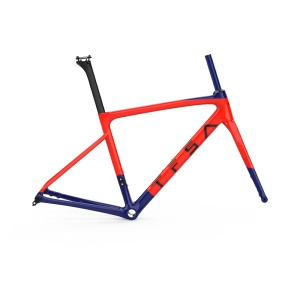
Confirm paint colors, graphics, logo placement, and coating requirements before batch production. Review a finished sample for color consistency, graphic alignment, visible defects, and protection of threaded interfaces.
Use the approved sample as the reference for subsequent production and document any changes to the finish.
Production records should link material batches, manufacturing processes, inspection results, and design revisions. These records support quality investigations and corrective action if problems arise.
Before shipment, verify the agreed specifications, component interfaces, and packaging requirements to reduce the risk of damage during transportation.
Major cost factors include tooling, design complexity, frame sizes, layup requirements, prototype revisions, testing, and finish customization. A complete design brief helps the manufacturer prepare a more accurate quotation.
The timeline depends on design readiness, tooling complexity, prototype revisions, testing requirements, and manufacturing capacity. Request a project schedule after the manufacturer has reviewed the specifications.
Testing depends on the intended bicycle category, destination market, and applicable standards. Relevant evaluations may include fatigue resistance, impact performance, and other structural or functional checks. Confirm the test plan before prototype approval.
A successful custom carbon fiber road bike frame depends on clear specifications, appropriate material selection, prototype validation, and documented quality control. Following these stages helps align the design with manufacturing capabilities and prepare the frame for consistent production.
To discuss your frame requirements and development plan, contact the TFSA team.


